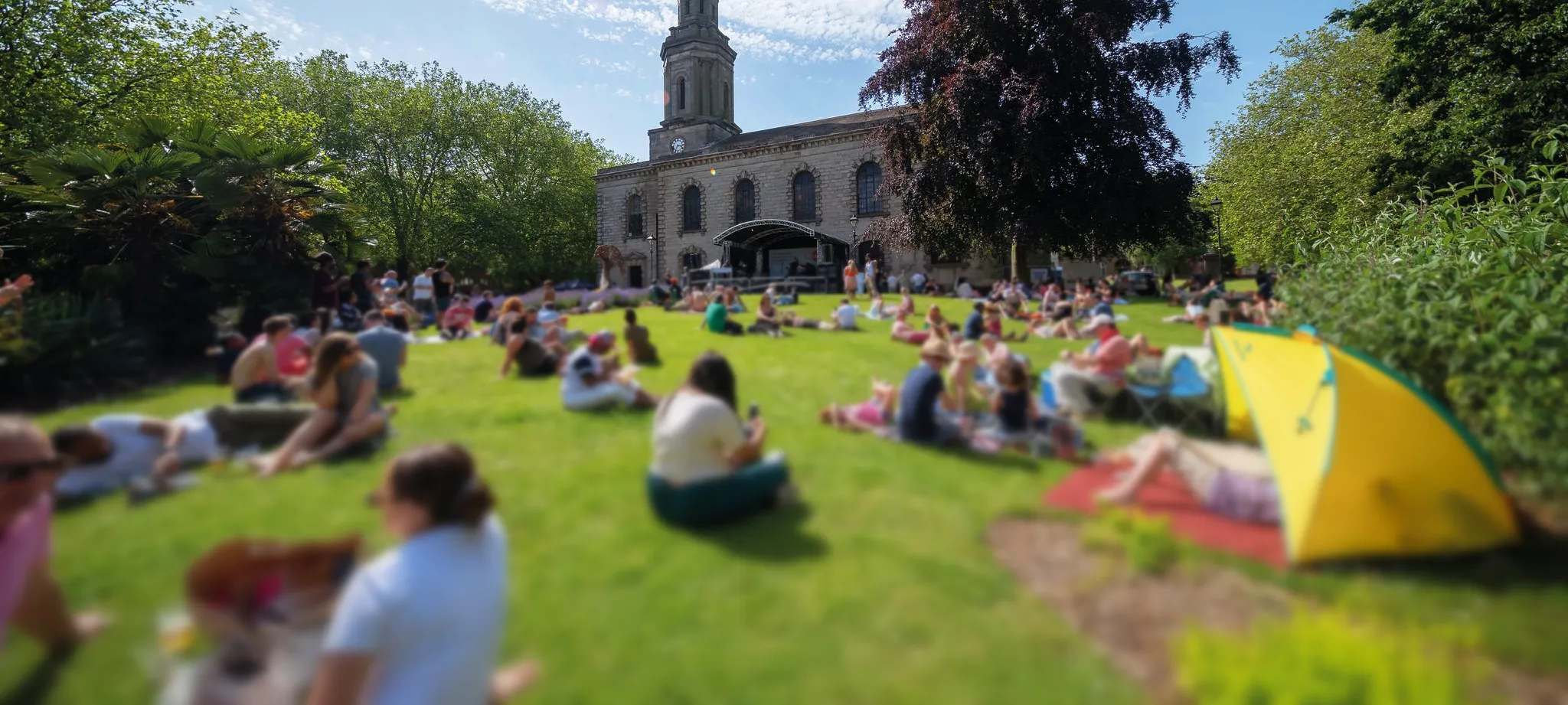



Beyond the bustling workshops and historic facades, the Jewellery Quarter holds a secret: a surprisingly rich tapestry of urban nature. The Jewellery Quarter is home to a diverse array of flora and fauna, particularly within its historic green spaces like Warstone Lane, Key Hill cemeteries, St Pauls Square and along the canal network.
Birds of the Jewellery Quarter
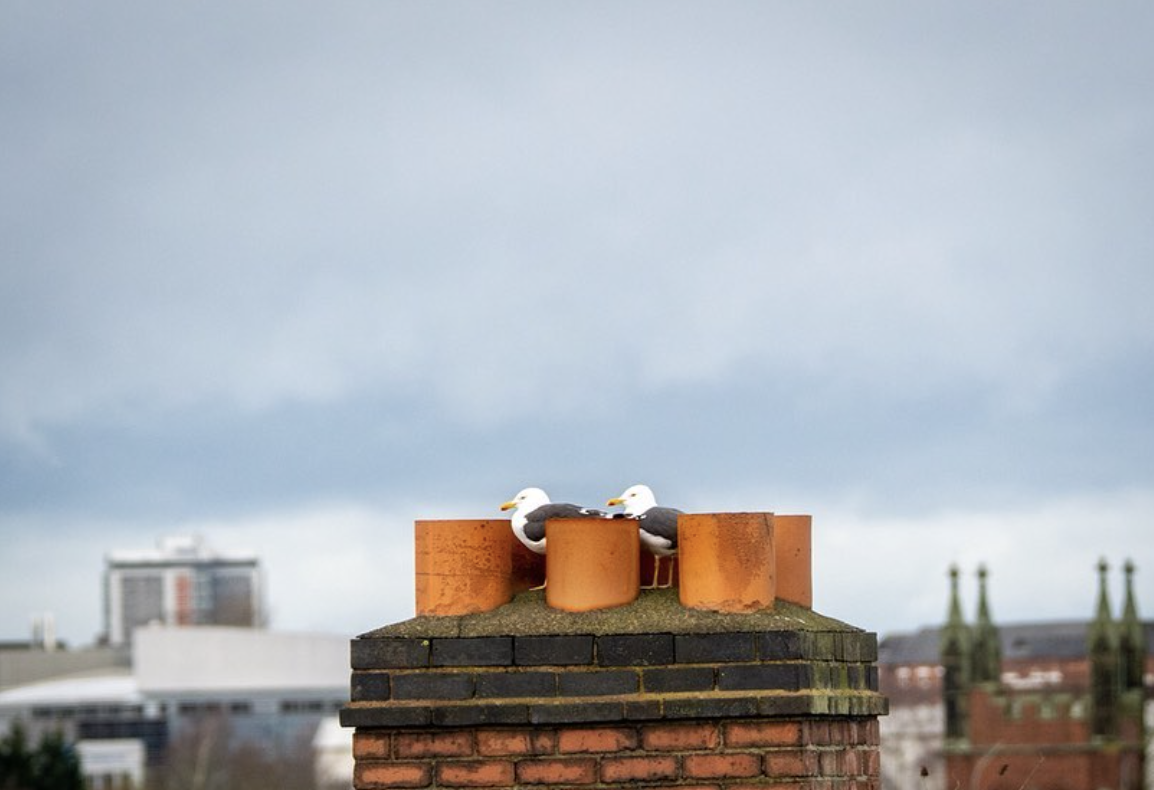
In the spring and summer months, the roofs of the Jewellery Quarter become nests for large flocks of Gulls- mostly Lesser Black Backed Gulls. Over the years they have become an iconic feature of life in the Jewellery Quarter and leave for sunnier shores in winter, heading to Spain, Portugal or North Africa. Ravens have recently been spotted in the cemeteries, a fitting addition to the area's history given their previous rarity outside of a few sites like Wales and Shropshire until recent years. Rarer sights include the Black Redstart, and along the canals you can find larger birds like Herons and Geese, bringing a touch of wetland life into the urban environment.
Green Giants and Floral Finds
The London Plane trees stand tall in the cemeteries, notable for their large leaves and resilience to pollution, a fact that speaks to the urban environment they thrive in. Efforts to boost local greenery are evident with the planting of extra trees in the cemeteries, where species like Rowan and Pine are marked with name placards for you to explore. Closer to the ground, the cemeteries come alive with Bluebells, and Snowdrops in the Spring and clinging Ivy carpets much of Key Hill Cemetery all year round.
Hidden Mammals and Winged Wonders
The cemeteries offer quiet refuge for more than just plants. Foxes are occasional visitors, and Voles can sometimes be found along the canal. The night sky is patrolled by the Common Pipistrelle bat, frequently seen around the cemeteries and canal, with records of some rarer bat species near the canals. The whole ecosystem is supported by Insects, which are vital in feeding bats, birds, and dragonflies.
The Earth's Hidden Jewels
Even the often-overlooked world of Fungi flourishes here. Numerous species have been recorded in the cemeteries, where organised fungus walks sometimes take place to discover them. These include striking varieties like Puffballs and Earthstars, and the intriguing Yellow Brain Fungus.
The Jewellery Quarter is a testament to how nature can adapt and thrive, even in a dense urban landscape, offering a vital pocket of wilderness for those who want to explore it.
If you’d like to be involved in protecting the nature of the Jewellery Quarter, you can join one of the volunteer groups and ask about opportunities here:
Find information about living in the Jewellery Quarter, local campaigns, issues and news.